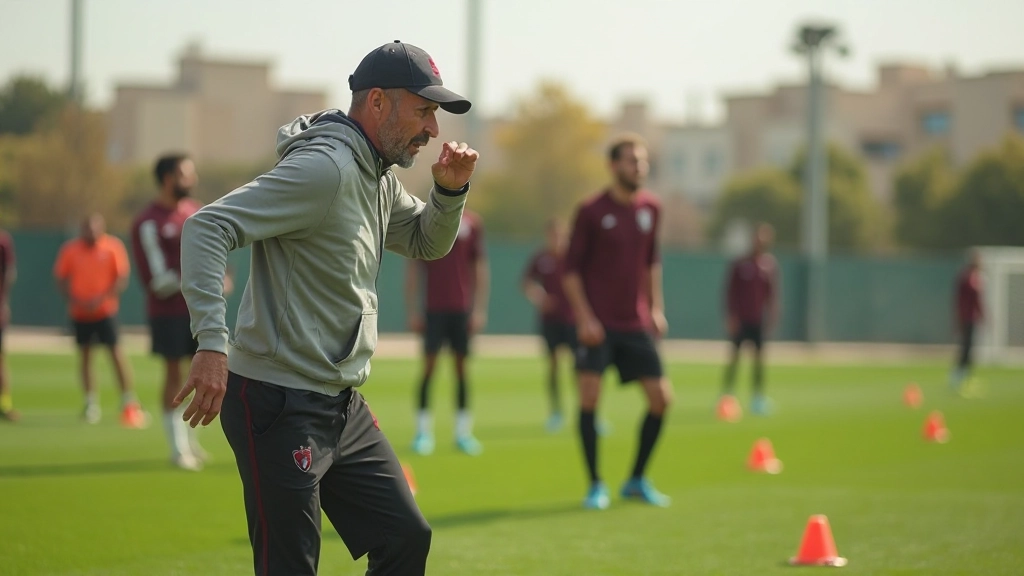
Ball Control Fundamentals for Players
Understanding essential ball control techniques including first touch refinement, dribbling approaches, and progressive skill development within match contexts.
Read ArticleBuilding sustained cardiovascular fitness and muscular strength forms the foundation of modern football performance. This overview examines structured approaches to conditioning that enable players to maintain technical excellence throughout competitive matches and training cycles.
Physical conditioning in football encompasses multiple interconnected systems working together to support player performance. Effective conditioning programs address cardiovascular capacity, muscular strength, movement efficiency, and recovery processes. These elements combine to create the foundation upon which technical skills and tactical understanding are executed.
The demands of modern football require players to repeatedly perform high-intensity actions across 90 minutes. Research in sports science indicates that players cover between 9-14 kilometers per match, with varying intensities of effort. Understanding these demands allows coaches and athletes to structure conditioning programs that prepare the body for these specific requirements.
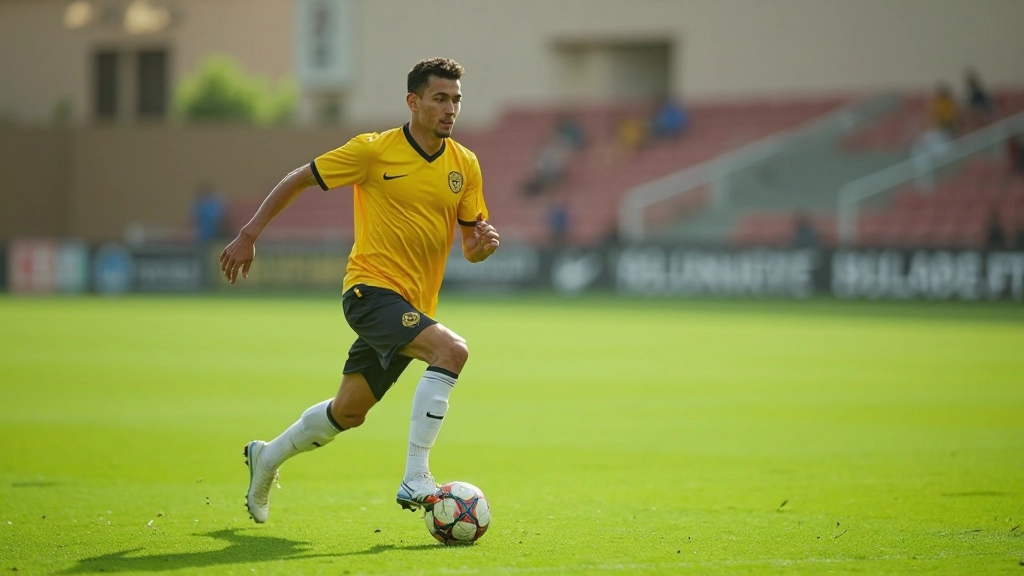
Cardiovascular endurance forms the aerobic foundation of football conditioning. The heart, lungs, and circulatory system must efficiently deliver oxygen to working muscles throughout extended periods of activity. Players with well-developed aerobic systems demonstrate improved recovery between efforts, reduced fatigue in later match periods, and better overall work capacity.
Sports science research identifies several methodologies for developing cardiovascular capacity. Continuous moderate-intensity efforts, typically performed at 70-80% maximum heart rate, build aerobic foundation. These sessions extend from 20-45 minutes and improve the body's ability to utilize oxygen efficiently.
Interval-based training alternates periods of higher intensity (85-95% maximum heart rate) with lower-intensity recovery phases. This approach, studied extensively in exercise physiology, produces improvements in both aerobic and anaerobic systems. Sessions typically range from 20-40 minutes total, with work intervals of 3-8 minutes separated by active recovery periods.
Monitoring intensity through heart rate measurement or perceived exertion helps ensure appropriate stimulus. Progressive gradual increases in duration or intensity allow physiological adaptation without excessive fatigue accumulation.
Muscular strength supports player resilience, injury prevention, and movement capability. Football requires players to accelerate, decelerate, change direction, and maintain stability against opponent contact. Structured strength conditioning addresses these specific demands.
Research in sports medicine indicates that appropriate resistance training reduces injury incidence while supporting performance improvements. Strength training twice weekly during in-season periods maintains muscular capacity without creating excessive fatigue that might compromise technical work or match performance.
Lower body strength development includes quadriceps, hamstrings, glutes, and calf musculature. These muscles generate force during sprinting, jumping, and directional changes. Core stability—involving abdominal, back, and hip musculature—provides the foundation for efficient movement transfer between upper and lower body.
Upper body conditioning maintains balanced muscular development and supports arm stability during movement and ball control. Functional movements that integrate multiple muscle groups simultaneously reflect football-specific demands more effectively than isolated exercise approaches.
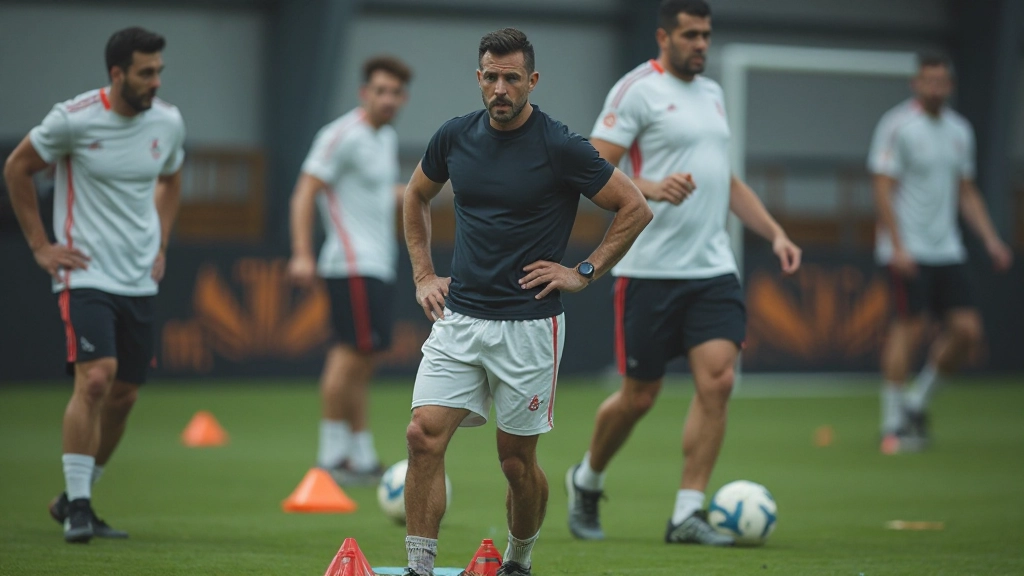
This content provides educational information about football conditioning methodologies and training approaches. It does not constitute personalized training advice or professional coaching guidance. Individual circumstances vary significantly based on age, current fitness level, injury history, and specific objectives.
Players and coaches should consult with qualified sports medicine professionals, strength and conditioning specialists, or certified coaching practitioners before implementing new training programs. Professional evaluation ensures that conditioning approaches align with individual needs and current health status.
Speed in football encompasses acceleration (rapid velocity increase), maximum velocity (top speed achievement), and change-of-direction ability. Each requires specific training stimulus and develops through distinct methodologies. Acceleration capacity, particularly critical in football, relies on lower body strength combined with efficient movement mechanics.
Proper mechanics during high-speed movement reduce injury risk while maximizing force production. Knee alignment, hip positioning, trunk stability, and ground contact patterns all influence movement efficiency. Technical refinement through targeted drills complements strength development, as increased strength only produces performance improvements when combined with efficient movement patterns.
Change-of-direction drills train the ability to decelerate, stabilize, and accelerate in new directions. These movements, fundamental to football tactical play, require integrated strength, balance, and spatial awareness. Progressive complexity, beginning with controlled speeds and advancing to match-realistic intensities, allows skill development without excessive injury risk.
Physical conditioning stimulus only produces improvements during recovery periods when the body adapts to training demands. Inadequate recovery prevents adaptation and accumulates fatigue, potentially degrading performance and increasing injury risk. Structured recovery protocols support consistent progression and long-term player development.
Sleep represents the primary recovery mechanism, with 7-9 hours nightly supporting neuromuscular recovery and hormonal regulation. Nutrition timing and composition influence muscle protein synthesis and energy substrate replenishment. Hydration status affects physiological function and thermoregulation capacity.
Active recovery—light movement on non-training days or between sessions—promotes blood flow and waste product removal without creating additional fatigue. Flexibility and mobility work maintains movement ranges and supports injury prevention. Psychological recovery, including stress management and adequate mental rest, contributes to overall readiness.
Periodized training structures typically alternate higher-intensity training blocks with lower-intensity recovery phases. This cycling prevents overtraining while allowing sufficient adaptation time. Monitoring indicators including resting heart rate, sleep quality, motivation levels, and perceived fatigue help coaches and players recognize when additional recovery is needed.
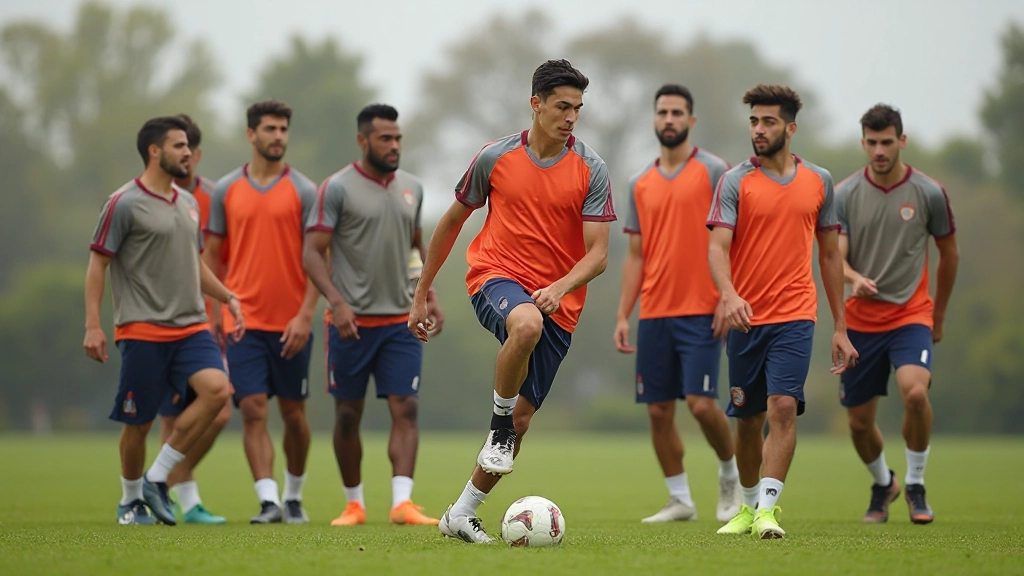
Effective conditioning integration combines cardiovascular, strength, and speed development within structured training frameworks. Rather than isolated conditioning sessions, many contemporary approaches embed conditioning stimulus within football-specific activities. Small-sided games, possession drills with movement demands, and tactical training provide conditioning stimulus while developing technical and tactical capabilities simultaneously.
Periodization—varying training stimulus across seasons—allows progressive development while managing fatigue. Pre-season periods emphasize comprehensive conditioning foundation-building. In-season maintenance involves lighter conditioning stimulus integrated with technical and tactical focus. Post-season periods provide recovery before annual training cycles recommence.
Individual variation requires conditioning program adaptation based on player position, age, current fitness level, and specific performance objectives. Defensive midfielders require different emphasis compared to forward players. Youth players need different progression approaches than mature athletes. Monitoring systems allowing assessment of individual adaptation support appropriate program modification.
Aerobic capacity development supports sustained match performance through continuous and interval-based training methodologies.
Structured strength training twice weekly maintains resilience, supports injury prevention, and enhances movement capability.
Acceleration, maximum velocity, and change-of-direction abilities develop through progressive technical and intensity-based training.
Sleep, nutrition, hydration, and active recovery create the foundation for physiological adaptation and sustained improvement.